



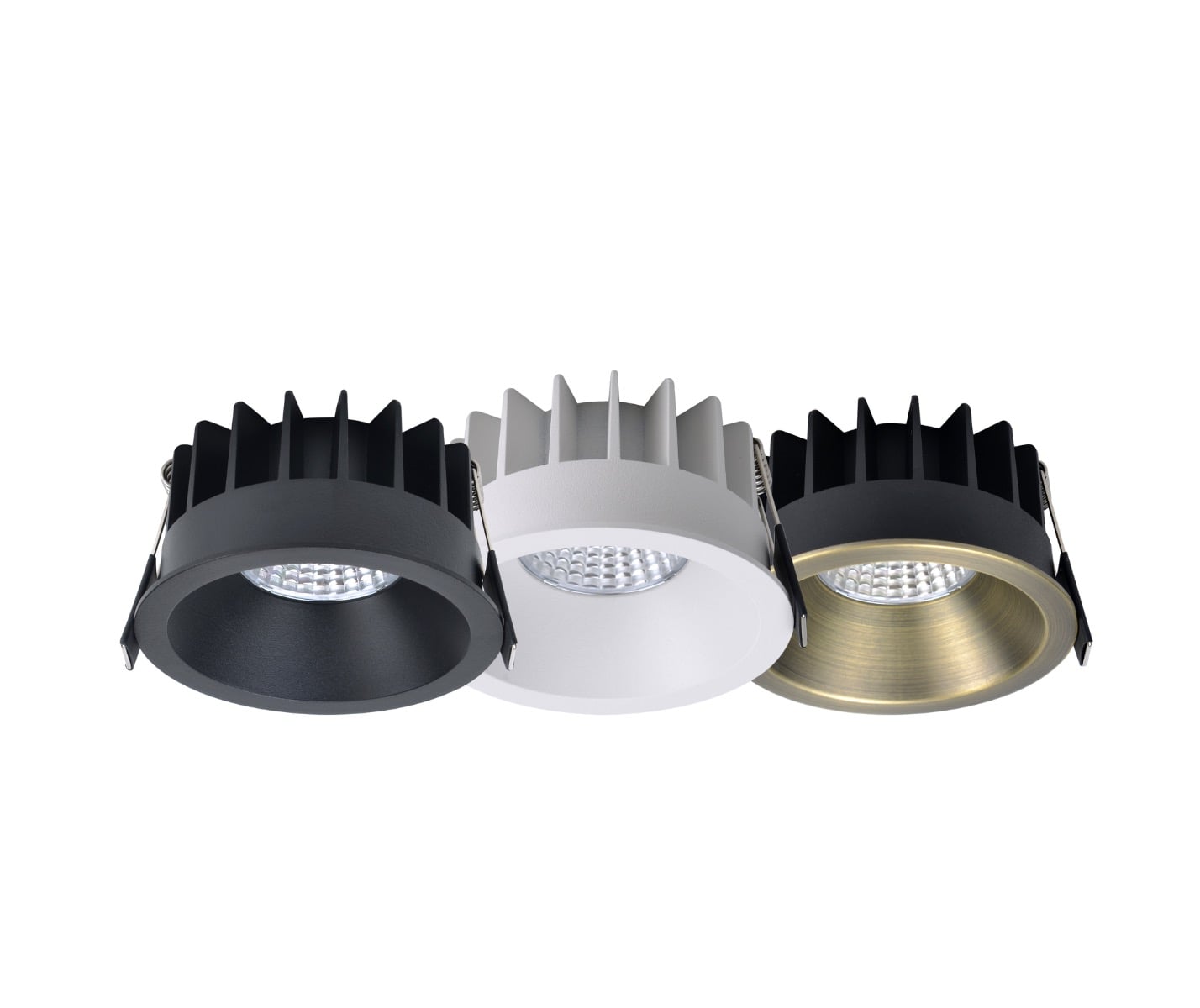

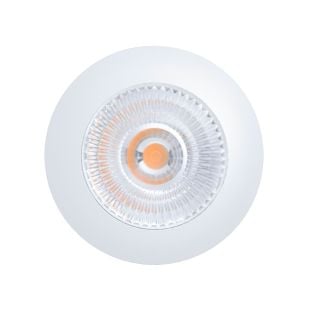

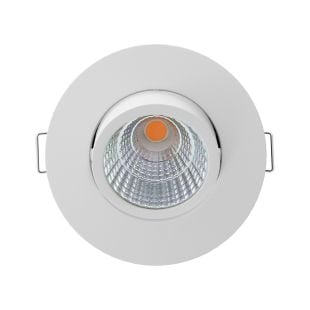
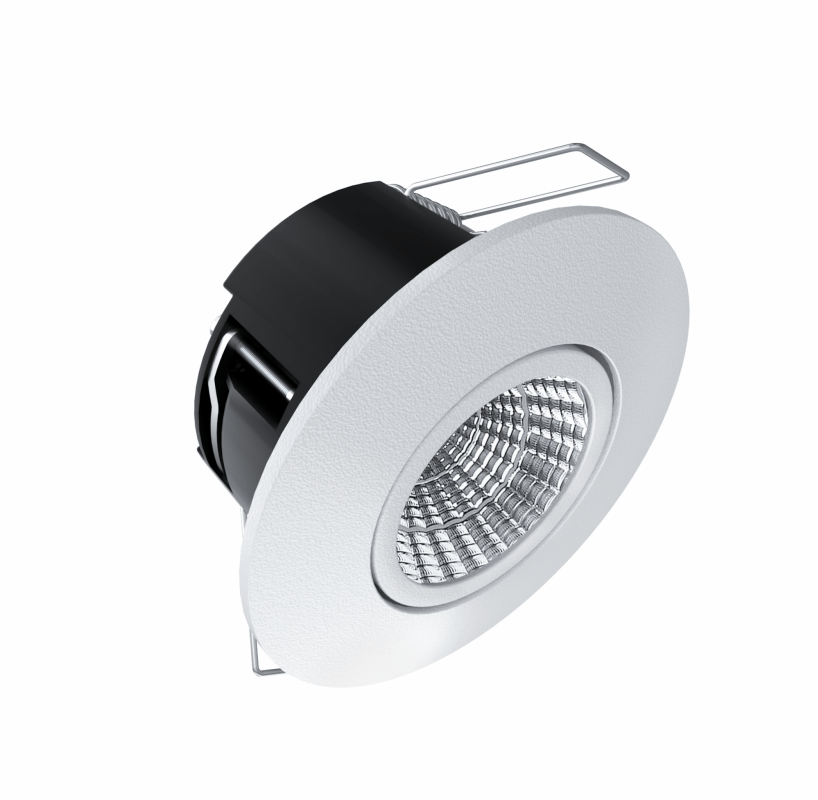
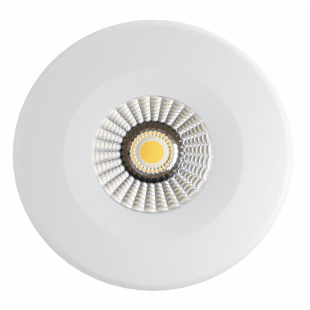
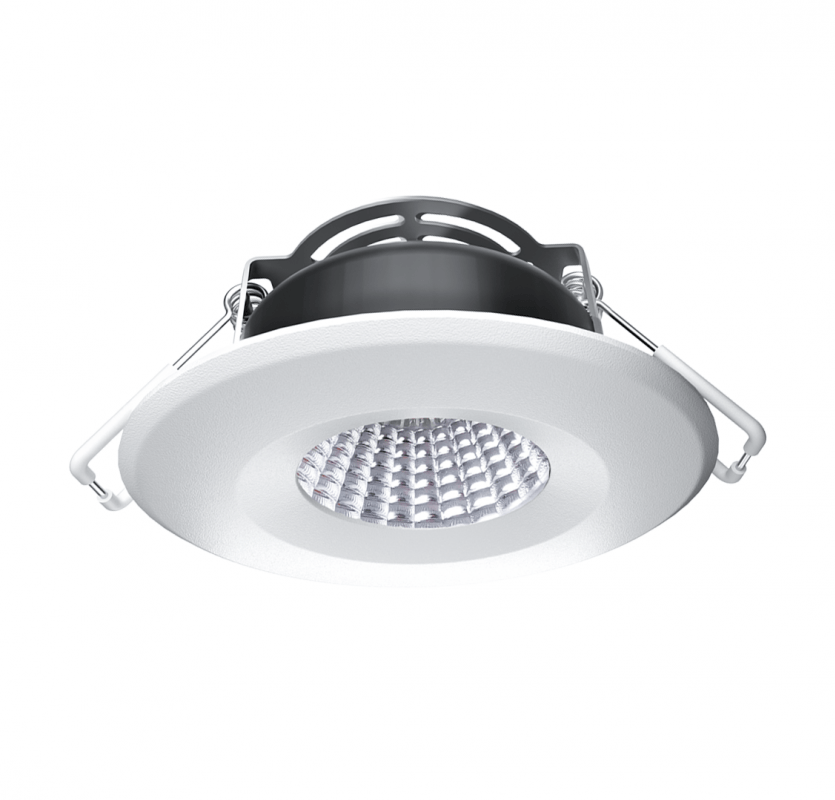
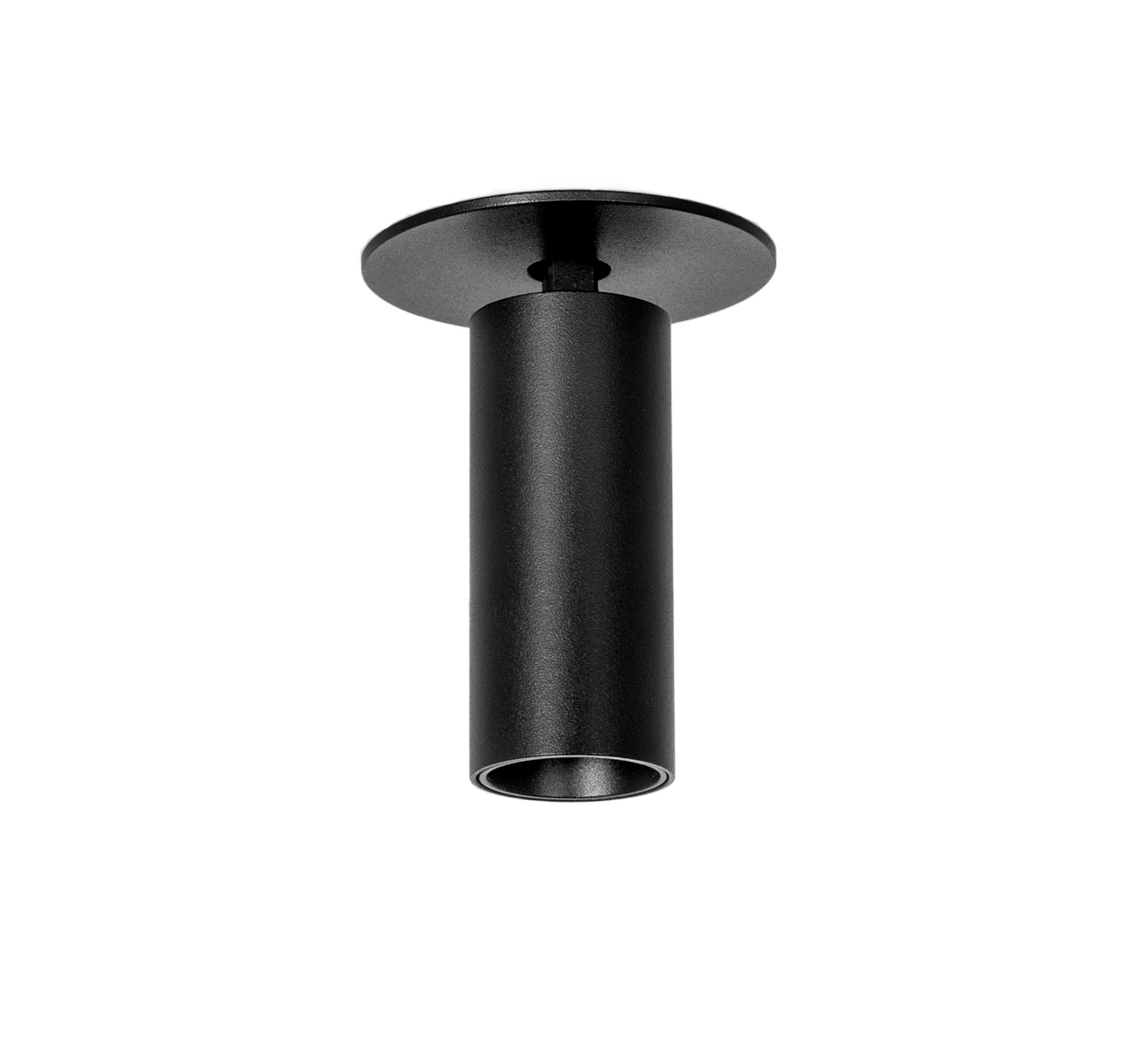
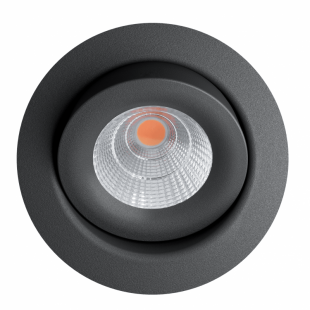
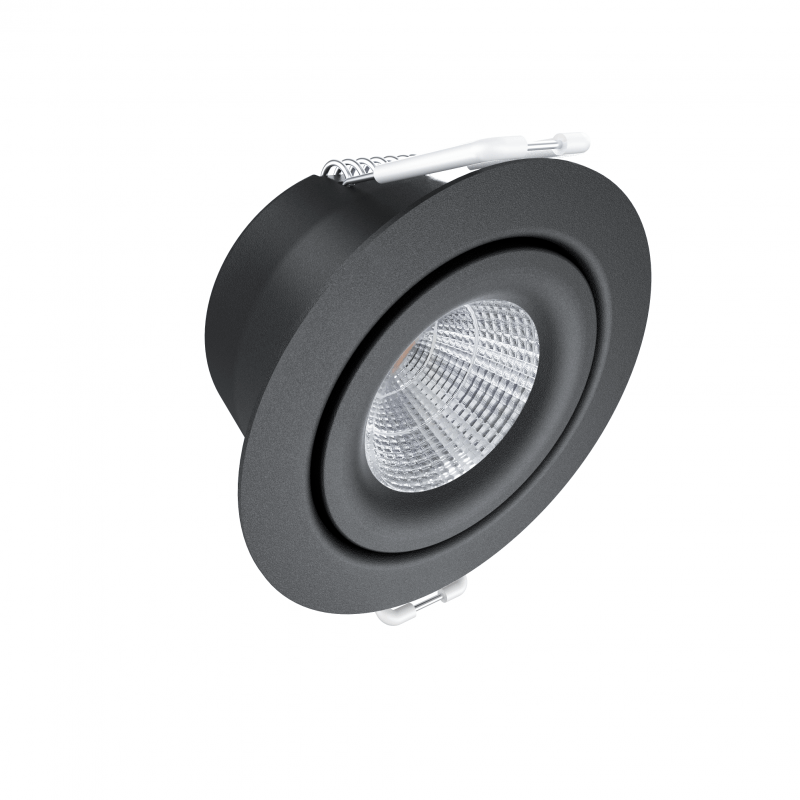
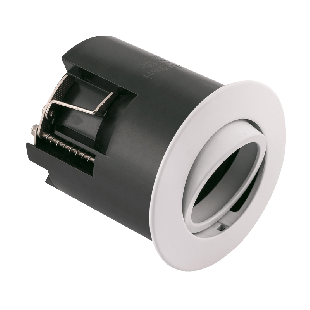
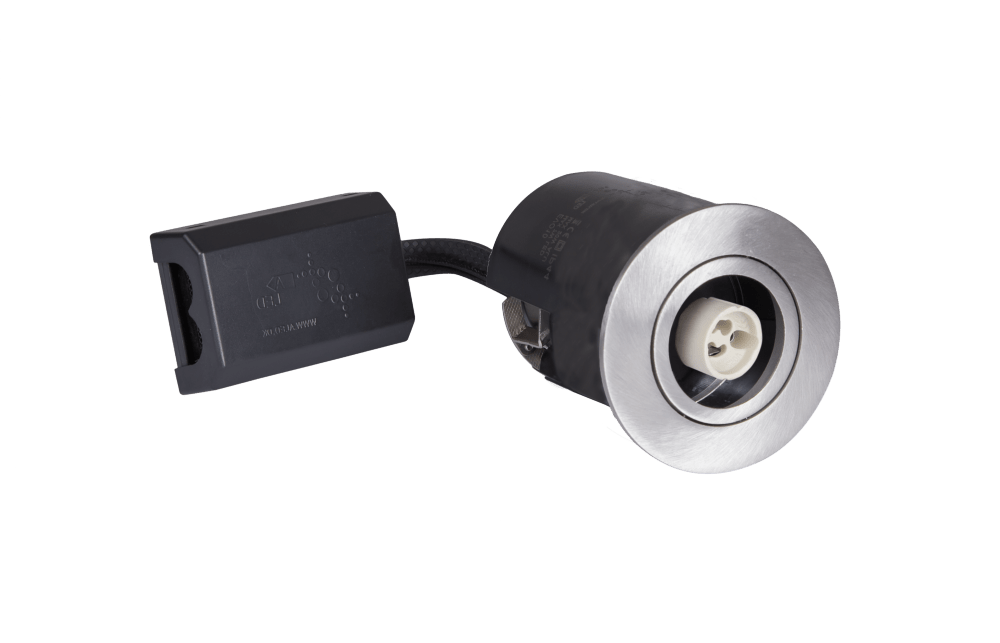
Built-in spots
Recessed LED Spotlights for Professional Lighting Projects
LED recessed spotlights are a cornerstone of modern architectural lighting, offering a clean, unobtrusive aesthetic combined with high-performance illumination. At A LED A/S, we specialise in delivering professional-grade LED downlights engineered for demanding environments — including corporate offices, retail spaces, hospitality venues, and large-scale residential developments.
Since 2009, we have supplied the professional market with lighting solutions that prioritise energy efficiency, exceptional light quality, and long-term reliability. Our comprehensive range of recessed spotlights is designed to meet the rigorous standards of electrical installers, lighting designers, and architects. Whether your project requires precise glare control for a workspace, high colour rendering for a retail display, or intelligent dimming via DALI or Casambi, our portfolio provides the technical versatility required to execute complex lighting designs with confidence.
What Is a Recessed LED Spotlight?
A recessed LED spotlight — commonly referred to as a downlight — is a luminaire installed directly into a hollow opening in a ceiling. This installation method conceals the housing and electrical components entirely, leaving only the trim ring and light source visible. The result is a seamless integration with the ceiling architecture that provides a minimalist aesthetic without interrupting the visual flow of a room.
Unlike surface-mounted luminaires or suspended pendants, recessed spotlights deliver directional illumination from a concealed source. The light distribution is governed by the engineered optics and beam angle of the specific fixture, enabling both broad ambient lighting and tightly focused accent lighting from the same product family. In professional applications, these fixtures are favoured for their ability to provide uniform illuminance across large areas while maintaining a low physical profile — a critical advantage in spaces with restricted ceiling heights, complex HVAC installations, or acoustic ceiling systems.
Advantages of LED Recessed Spotlights
The transition to LED technology has fundamentally enhanced the performance and operational economics of recessed lighting in commercial and institutional settings. Modern LED downlights offer significant benefits over legacy halogen or fluorescent systems across every key performance dimension.
Energy Efficiency and Reduced Operating Costs. LED recessed spotlights consume a fraction of the electricity required by traditional light sources while delivering equivalent or superior lumen output. This reduction in energy consumption directly lowers operational costs and supports corporate sustainability targets, aligning with modern building certifications such as BREEAM and LEED.
Extended Service Life and Low Maintenance. Professional LED fixtures are engineered for longevity, with L80/B10 ratings that guarantee minimal lumen depreciation over 50,000 or more operating hours. This extended service life significantly reduces maintenance intervals and replacement costs — a critical consideration in commercial environments where ceiling access is disruptive or expensive.
Advanced Glare Control. Visual comfort is paramount in professional settings. High-quality recessed spotlights incorporate deep-set light sources, specialised reflectors, and micro-prismatic diffusers to achieve low Unified Glare Rating (UGR) values. Fixtures with a UGR < 19 are essential for office environments, ensuring compliance with EN 12464-1 workplace lighting standards and preventing eye strain among occupants.
Flicker-Free Light Quality. In professional environments, flicker is a significant concern for occupant wellbeing and productivity. Our EVO series is engineered to deliver flicker-free illumination with PstLM and SVM values well below permitted limits, ensuring a comfortable and fatigue-free visual environment.
Compatibility with Intelligent Control Systems. Modern LED downlights are fully compatible with advanced lighting control protocols. Whether integrating with wired systems such as DALI-2 and 1-10V, or wireless mesh networks including Casambi and Zigbee, these fixtures enable dynamic scene setting, daylight harvesting, and precise dimming — ensuring the lighting adapts to the specific requirements of the space throughout the day.
Application Areas
The versatility of recessed LED spotlights makes them suitable for a wide range of professional environments, each with distinct lighting requirements and performance criteria.
Offices and Workplaces
In corporate environments, lighting must support concentration and productivity while adhering to strict ergonomic standards. Recessed spotlights deployed in offices must deliver excellent glare control, typically requiring a UGR < 19 in accordance with EN 12464-1. Neutral white colour temperatures (4000K) are generally preferred to promote alertness and visual acuity. Integration with intelligent lighting systems — including DALI-2 and presence sensors — allows for automated adjustments based on natural daylight availability and occupancy, optimising both occupant comfort and energy consumption across the working day.
Retail and Shop Environments
Retail lighting is designed to attract attention, highlight merchandise, and guide customer flow. Recessed spotlights in these settings require a high Colour Rendering Index (CRI ≥ 90) to ensure products are displayed in their true colours, which is directly linked to purchase intent. A combination of wide beam angles for general ambient illumination and narrow beam angles for accentuating specific displays creates a dynamic and engaging shopping environment. Adjustable or tiltable recessed spots are frequently specified to accommodate changing store layouts and seasonal display changes.
Hotels and Restaurants
The hospitality sector relies heavily on lighting to establish mood and atmosphere. Recessed spotlights in hotels and restaurants typically utilise warmer colour temperatures (2700K to 3000K) to create a welcoming and relaxed environment. Dim-to-warm technology — as featured in our SUNFALL series — is particularly effective in these settings, as it reduces the colour temperature as the light is dimmed, closely mimicking the comforting warmth of traditional incandescent hospitality lighting.
Residential Projects
For large-scale residential developments and high-specification private homes, recessed spotlights provide a clean, contemporary lighting solution that is highly valued by architects and interior designers. Key technical considerations include low installation depths to accommodate standard ceiling voids, high IP ratings (IP44 or IP65) for safe installation in bathrooms and wet rooms, and seamless dimming capabilities that allow residents to transition from functional task lighting to ambient evening illumination without visible steps or flicker.
How to Choose the Right Recessed Spotlight
Selecting the appropriate recessed spotlight for a professional project requires careful evaluation of several interdependent technical parameters. The table below summarises the most important selection criteria.
| Parameter | Typical Range | Professional Guidance |
|---|---|---|
| Lumen output | 400 – 1,500 lm | Determined by ceiling height and target lux level; use DIALux for calculation |
| Beam angle | 15° – 60°+ | Narrow (15–24°) for accent; medium (36°) for task; wide (60°+) for ambient |
| Colour temperature | 2700K – 4000K | 3000K for hospitality/residential; 4000K for office/retail |
| CRI | 80 – 97 | CRI ≥ 90 required for retail; CRI ≥ 80 acceptable for general commercial |
| UGR | < 19 – < 22 | UGR < 19 mandatory for office and screen-based workplaces |
| Installation depth | 30 – 100 mm | Verify ceiling void clearance before specifying |
| Cut-out diameter | Ø68 – Ø83 mm | Confirm exact dimensions from product datasheet |
| Dimming protocol | Triac / 1-10V / DALI-2 / Casambi | DALI-2 for BMS integration; Casambi for wireless flexibility |
Lumen Output and Efficacy. The required lumen output per fixture depends on the ceiling height and the target illuminance level (lux) of the space. Professional lighting calculations, performed using software such as DIALux, determine the exact lumen package required. Luminous efficacy — measured in lumens per watt (lm/W) — should also be evaluated to maximise energy savings and comply with energy performance regulations.
Beam Angle. Narrow beam angles (15° to 24°) provide concentrated light ideal for accentuating architectural features or merchandise. Medium beam angles (36° to 40°) are versatile for general task lighting in offices and corridors. Wide beam angles (60° and above) deliver broad, uniform illumination suitable for open-plan areas and large retail floors.
Colour Temperature. Warm white (2700K – 3000K) is suited for hospitality and residential environments where a cosy, relaxed atmosphere is desired. Neutral white (4000K) is the standard specification for offices, healthcare facilities, and educational institutions, providing a crisp, clean light that enhances focus and visual performance.
Dimming and Control Protocols. Selecting the correct driver is fundamental to the desired control strategy. Standard phase-cut dimming (Triac) is suitable for straightforward residential applications. For commercial projects requiring individual fixture addressing and integration with building management systems, DALI-2 is the industry standard. For wireless installations or retrofit projects where additional control cabling is impractical, Casambi Bluetooth mesh control provides robust, app-based management with full dimming capability.
FAQ — Recessed LED Spotlights
What is the difference between a downlight and a recessed spotlight?
In professional lighting terminology, the terms are frequently used interchangeably. "Downlight" generally refers to a fixture providing broad, downward ambient illumination, while "spotlight" implies a more focused, directional beam. Both are typically recessed into the ceiling, and the distinction is largely one of beam angle rather than installation method.
How many lumens does a recessed spotlight need for commercial use?
Office environments typically require a maintained illuminance of 500 lux at desk level, as specified in EN 12464-1. The exact lumen output per fixture depends on the ceiling height, the number of fixtures, and the beam angle. A professional lighting calculation is strongly recommended to determine the precise requirements for any given project.
Which colour temperature should be specified for office lighting?
Neutral white at 4000K is the standard specification for office and workplace environments. This colour temperature supports alertness and visual acuity while remaining comfortable for extended periods. For meeting rooms and breakout areas where a warmer, more relaxed atmosphere is desired, 3000K is a common alternative.
What is a typical installation depth for recessed spotlights?
Standard professional recessed spotlights require an installation depth of between 50mm and 100mm. Low-profile models are available for projects with restricted ceiling void clearance, requiring as little as 30mm. Always verify the available ceiling void depth against the product datasheet before specifying.
Can recessed spotlights be integrated into a DALI lighting control system?
Yes. The majority of professional LED recessed spotlights can be supplied with DALI-2 compatible drivers, enabling seamless integration into building management systems. DALI-2 allows for individual fixture addressing, two-way communication, and automated control strategies including daylight harvesting and occupancy-based dimming.
What is UGR, and why does it matter for professional lighting?
UGR (Unified Glare Rating) is a standardised metric that quantifies the degree of discomfort glare experienced by an observer in a lit space. Lower UGR values indicate better glare control. EN 12464-1 specifies a maximum UGR of 19 for office environments with screen-based tasks. Specifying fixtures with a UGR < 19 ensures occupant visual comfort and regulatory compliance.
What is the difference between DALI, 1-10V, and Casambi dimming?
DALI-2 is a digital, addressable wired protocol that allows individual fixture control and two-way communication, making it the preferred choice for large commercial installations and BMS integration. 1-10V is an analogue wired protocol that provides simple group dimming without individual addressing — suitable for straightforward commercial applications. Casambi is a wireless Bluetooth mesh protocol that offers flexible, app-based control without additional control cabling, making it ideal for retrofit projects and installations where wiring infrastructure is limited.